
Lamination Silicone Steel Pad vs Kraft Paper: Compare Cost per Press Cycle
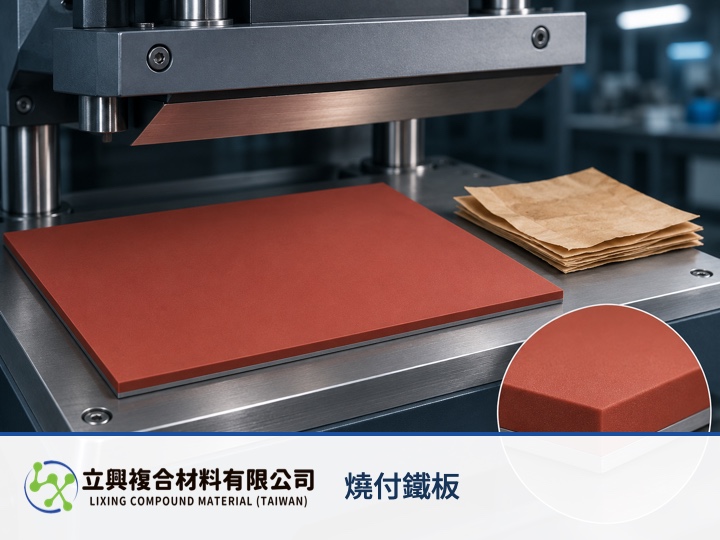
FPC laminators seeking fewer consumable changes can spread the acquisition cost of a lamination silicone steel pad across actual press cycles, then compare it with kraft-paper purchases, replacement labor and downtime over the same period. This brick-red composite pad combines a 1.0mm steel plate with 2.0mm silicone. Its official page states 8,000–10,000 uses under normal operation, giving PCB and FPC production teams a traceable starting point for consumable-cycle decisions.
Convert sheet price into cost per press cycle
Kraft paper has an easy-to-see unit price, but a fair comparison also includes changeover labor, press stoppages and disposal. The steel pad's acquisition cost should be allocated across verified usable cycles. If the plant lacks kraft-paper prices and change records, the next step is to collect them rather than assume either option is cheaper.
Steel support provides a basis for repeated use
The pad uses a 1.0mm steel substrate for flat support and a 2.0mm silicone layer for cushioning and filling, giving a total thickness of 3.0mm. The official page lists an operating pressure of 80–120 kgf/cm² and temperature resistance above 250°C. These facts establish its intended quick-press environment, while actual service life still depends on platen condition, installation and operation.
Replacement frequency changes downtime cost
Repeated use affects more than material quantity. The official page lists 8,000–10,000 uses under normal operation and requires the steel side to lie flat on a smooth, scratch-free hot platen. Procurement and process teams can record replacement labor, downtime per change and accepted press cycles to test the fit with their production rhythm.
A life-cycle cost model creates one comparison basis
The present-value approach in NIST Handbook 135 can be written as LCC = C0 + sum(Ct / (1 + r)^t), t = 1...N. LCC is total cost over the study period, C0 is initial acquisition and implementation cost, Ct is replacement, maintenance and downtime cost in period t, r is the discount rate, and N is the number of periods. Use the model only when both consumables perform the same lamination duty and comparable records exist. It cannot supply missing prices or turn the published service-life range into a plant guarantee.
Press compatibility and maintenance keep the comparison valid
The product page identifies Beyond BAK-80T, BAK-120T and BAK-150T quick presses. Installation requires full contact between the steel side and the platen, while fiberglass cloth is recommended over the silicone face to limit oil release. Before comparing options, align the press model, size, pressure, temperature and daily cycle count.
Use plant records to decide on a steel pad
PCB and FPC laminators considering a reusable replacement for kraft paper can provide platen dimensions, press model, pressure, temperature, current consumable price, changeover labor and daily cycles. Lixing can help confirm a sample against the verified structure and conditions of the lamination silicone steel pad; the cost decision should use the plant's own cycle records.