
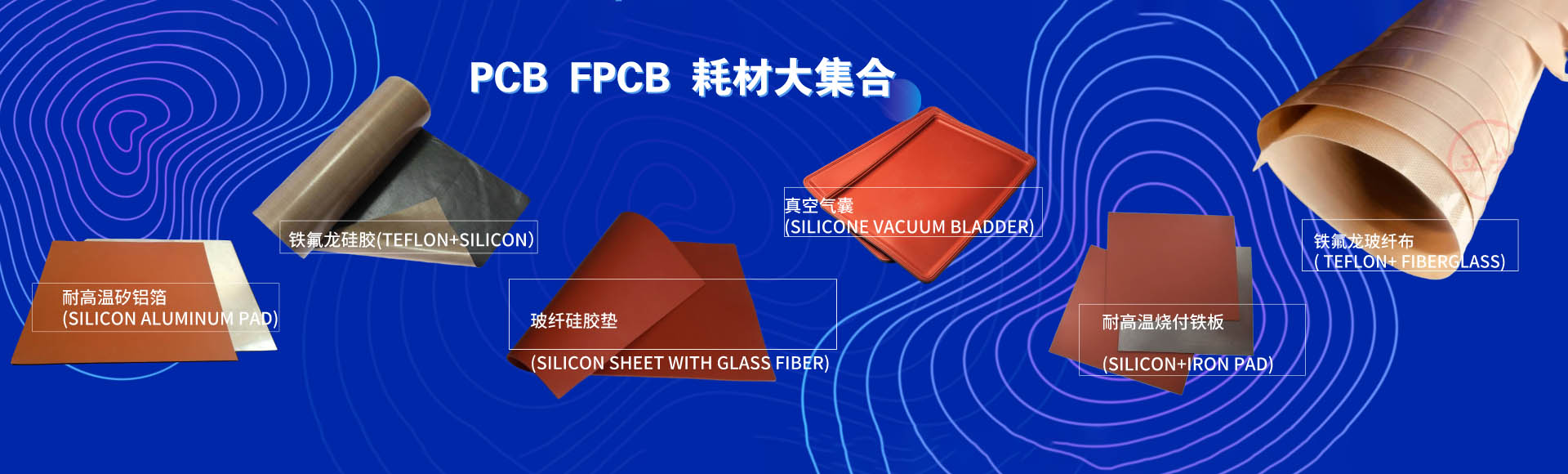
Reusable FPC Red Silicone Pad: Make Hot-Press Service Cycles Traceable
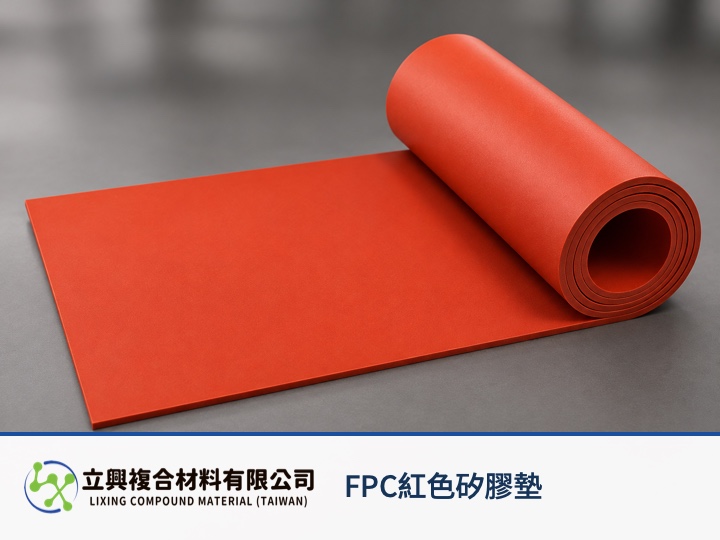
FPC, LCD panel, and precision-electronics hot pressing benefits from an FPC pad that can deliver repeatable heat distribution while remaining traceable as a consumable. The FPC red silicone pad combines silicone with fiberglass. Its official page lists approximately 5,000 cycles under normal operation, with actual service dependent on conditions. Process engineers and buyers can record temperature, pressure, cycle count, flatness, and fold condition together to support replacement decisions.
Recovery condition makes reuse observable
Whether the pad returns flat after each hot-press run affects the contact condition of the next cycle. The product page identifies physical recovery as a feature and instructs operators to avoid sharp folds that could cause permanent deformation or damage the internal fiberglass. This supports repeated opening and changeover work in FPC lamination.
Fiberglass reinforcement supports sheet stability
The product is a silicone and fiberglass composite. The official specifications list fiberglass thickness of 0.2 ± 0.02 mm and tensile or peel strength above 80 kgf/cm². These values describe cataloged structural conditions and do not calculate life on a specific production line. They give engineers concrete items to confirm during sampling for repeated pressing.
Temperature belongs in every cycle record
The official page lists temperature resistance up to 250°C and a recommended operating range of 160°C to 250°C. Cycle counts become comparable only when temperature, pressure, dwell time, and platen condition are recorded with them. A flat, scratch-free platen and a pad laid flat against the heating surface reduce uncontrolled variation.
Organize mixed cycle conditions with a damage model
The Palmgren–Miner linear cumulative damage model is D = Σ(n_i / N_i). D is a dimensionless accumulated damage index, n_i is the applied number of cycles under condition i, and N_i is the cycles to failure under that same condition. A peer-reviewed review of polymer and composite durability describes this linear summation of usage fractions. The model is useful only when condition-specific failure data exist. It omits load order, temperature-pressure interactions, and material recovery, so the catalog figure of about 5,000 cycles cannot predict every process.
Put replacement criteria into sampling
- Record press temperature, pressure, dwell time, and cycle count for each run group.
- At changeover, inspect permanent folds, warpage, surface damage, and edge condition.
- Provide dimensions, thickness, and process conditions when confirming cutting or customization.
FPC hot-press teams can make better use of reusable cushioning by reading the official red silicone pad specifications alongside their own cycle records. Lixing does not offer online checkout. For sampling, provide equipment temperature, pressure, dimensions, and the expected cycle pattern for review.
#FPCRedSiliconePad #FPCHotPress #LaminationMaterials #FiberglassReinforcement #CycleDurability