
Electromagnetic Absorption
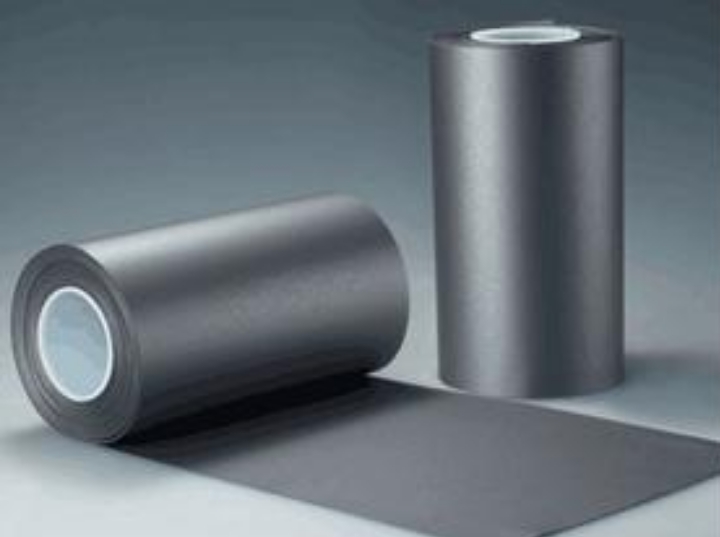
Electromagnetic absorber materials absorb or substantially reduce incident electromagnetic energy to limit interference. Engineering applications require high absorption over a broad frequency range, together with low weight and resistance to temperature, moisture, and corrosion.

1. Resistive loss: this mechanism is related to electrical conductivity. Higher conductivity produces larger macroscopic currents, including currents induced by changing electric fields and eddy currents induced by changing magnetic fields, helping convert electromagnetic energy into heat.
2. Dielectric loss: repeated polarization dissipates electromagnetic energy as heat through a friction-like process. Polarization mechanisms include displacement of electron clouds, reorientation of dipoles in polar materials, reorientation of ferroelectric domains, and domain-wall displacement.
3. Magnetic loss: this mechanism is associated with dynamic magnetization in ferromagnetic media. It includes hysteresis, gyromagnetic and eddy-current losses, damping, and magnetic aftereffects. Main contributors include domain reorientation, domain-wall displacement, and natural domain resonance. Microwave loss mechanisms in nanomaterials are also an active area of absorber research.
We can customize silicone electromagnetic absorber materials based on dielectric or magnetic loss to meet different application requirements.