


Conductive Foam
Conductive Shielding SiliconeConductive Foam
Conductive foam consists of a polyurethane or EPDM foam core wrapped in a conductive sleeve, typically made from silver- or nickel-plated nylon, aluminum foil, Monel nickel-copper alloy wire, or Ferrex tin-plated copper-clad steel wire. It provides conductivity, UL94 V0 flame resistance, resilience, and flexibility.
- Brand
- Lixing Compound Materials
- Origin
- Zhuhai, Guangdong, China
- Supply
- Factory direct; custom sizes and cutting available
- Samples
- Samples available on request
Product Details
Conductive foam consists of a polyurethane or EPDM foam core wrapped in a conductive sleeve, typically made from silver- or nickel-plated nylon, aluminum foil, Monel nickel-copper alloy wire, or Ferrex tin-plated copper-clad steel wire. It provides good electrical conductivity, UL94 V0 flame resistance, resilience, and flexibility. Conductive foam gaskets shield electromagnetic waves through reflection and absorption. Conductive fabric is wrapped around flame-retardant foam and processed to provide good surface conductivity. Adhesive tape allows easy attachment to components requiring shielding. Different cross-sectional profiles, mounting methods, UL ratings, and shielding performance levels are available.
Conductive foam is widely used in PDP televisions, LCD monitors and televisions, mobile phones, notebook computers, MP3 players, and other electronics. Its cost effectiveness makes it a commonly used shielding material.
Conductive foam applications and features:
1. Long-lasting electrostatic protection in core product lines.
2. Performance independent of ambient humidity.
3. Meets demand for antistatic materials in optoelectronics, microelectronics, communications, and chemical processing.
4. Widely used for cushioning and vibration damping during handling, storage, transport, and packaging.
Related Products
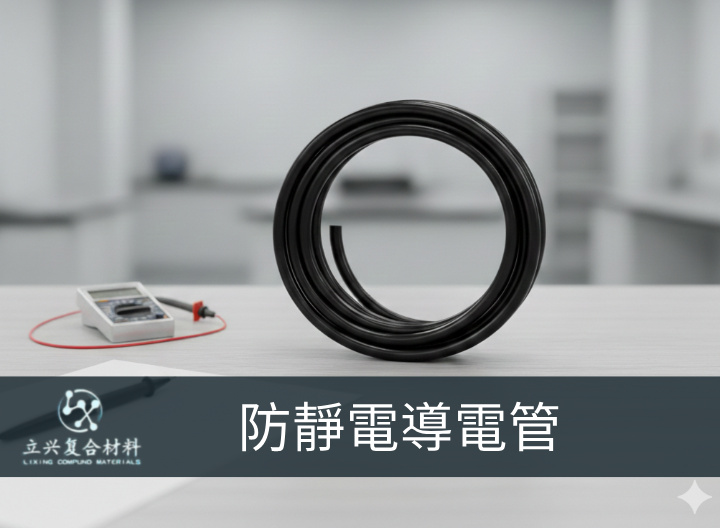
Anti-Static Conductive Silicone Tube
This conductive silicone tube is designed for anti-static and conductive applications, with a hardness of Shore A 70±5.

Black Antistatic Silicone Pad
This product is designed for precision electronics manufacturing and cleanroom environments, combining excellent antista

C-FO-LF Low-Frequency EMI Absorbing Sheet
C-FO-LF is a thin, flexible EMI absorbing sheet with high magnetic permeability (180 ± 20), engineered to suppress elect

Conductive Fabric Tape
LX-158 antistatic compound physical properties and test results: black appearance, thickness 3.0 mm, and plasticity.