
Effects of COOH Groups in Filled Silicone Rubber Compounds
Effects of COOH Groups in Filled Silicone Rubber Compounds
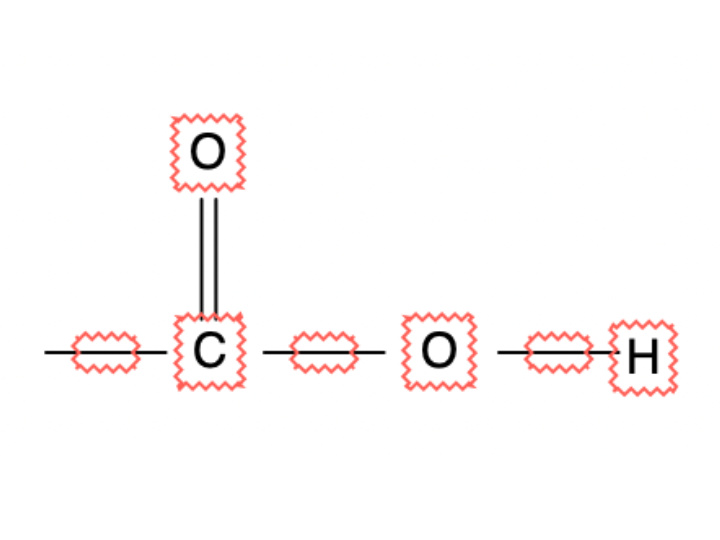
In silicone rubber compounds, the COOH carboxyl group is a polar functional group with chemical reactivity. Its presence can affect silicone processability and curing reactions and final properties to varying degrees, particularly in systems involving crosslinking.
1. Basic Properties of COOH Groups
| Property | Description |
|---|---|
| Acidity | Carboxyl groups are acidic and may react with certain fillers, catalysts, or the silicone matrix |
| High Polarity | Poor compatibility with the hydrophobic silicone backbone |
| High Chemical Reactivity | Can react with alcohols, amines, epoxides, and silicon hydride groups |
2. Effects on Different Crosslinking Systems
Peroxide Cure Systems
Commonly used in vinyl silicone, with free-radical-initiated crosslinking.
COOH groups may scavenge free radicals and inhibit crosslinking.
This can reduce crosslink density, slow curing, or cause incomplete cure.
Final mechanical properties may decline, including tear strength and hardness.
Platinum-Catalyzed Addition Cure Systems
A platinum catalyst promotes crosslinking between vinyl and silicon hydride groups.
COOH groups can coordinate with platinum ions and poison the catalyst, preventing the reaction from proceeding normally.
This may result in failure to cure, delayed cure or incomplete cure.
The source describes the greatest disruption in addition-cure silicone systems.
Condensation Cure Systems
Crosslinking occurs through condensation between Si–OH and Si–OR (alkoxy) groups.
COOH groups may participate in side reactions or form esters, interfering with the intended reaction pathway.
Additional water byproducts may cause bubbles, viscosity changes, and other instability.
3. Interactions with Fillers Such as Silica
If fillers such as untreated silica or alumina carry surface COOH groups, these may also affect system stability.
Poor compatibility between COOH groups and the silicone matrix can hinder dispersion and cause filler agglomeration.
Excessive filler COOH content may also affect crosslink uniformity and interfacial strength.
4. Common Defects and Diagnostic Indicators
| Observation | Possible Cause |
|---|---|
| Failure to cure | Platinum catalyst poisoning by carboxyl groups |
| Delayed cure | Carboxyl groups interfere with radical or catalytic reactions |
| Oil bleed on the silicone surface | Insufficient crosslink density or poor filler–matrix compatibility |
| Unstable viscosity | Structural disruption caused by byproducts from reactions between carboxyl groups and other ingredients |
| Reduced mechanical properties | Unstable network structure or incomplete crosslinking |
| Question | Assessment |
|---|---|
| Can COOH affect silicone curing? | ✅ Yes, particularly in platinum-catalyzed or peroxide systems |
| Can COOH affect filler dispersion? | ✅ Yes, it may cause poor dispersion or interfacial instability |
| Can modification or dosage control address these issues? | ✅ Yes, with appropriate compounding and treatment methods |